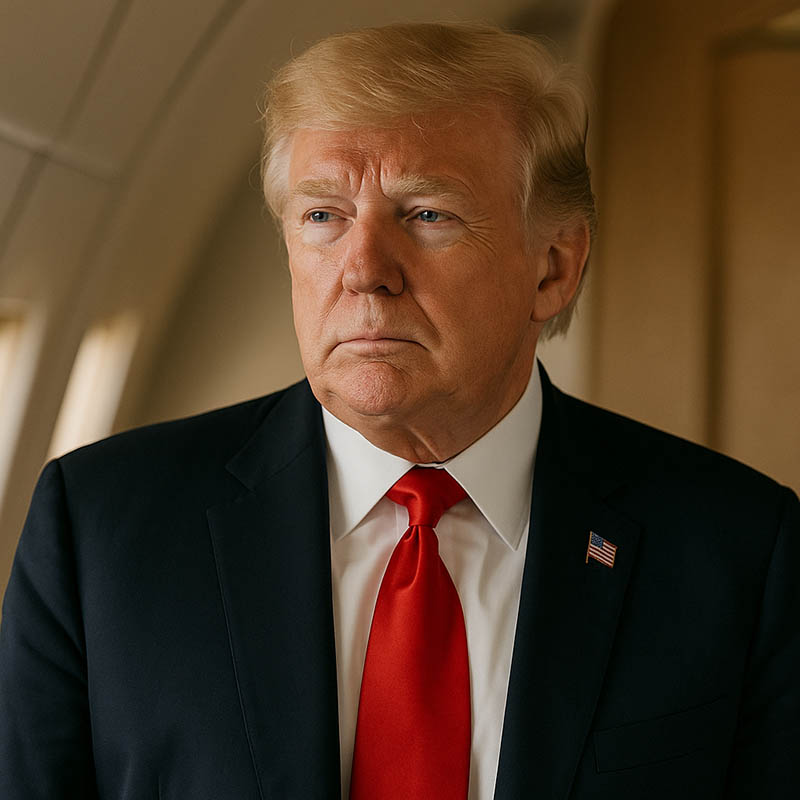


Payam Javan: U.S. President Donald Trump has announced a formal investigation into the European Union’s trade practices, specifically targeting the multi-billion dollar regulatory fines imposed on American technology companies. Initiated under Section 301 of the Trade Act of 1974, the probe allows the U.S. government to address what it deems unfair trade practices through potential tariffs and economic sanctions. The announcement, made via social media, signals a significant escalation in transatlantic trade tensions as Washington seeks to shield its domestic tech giants from foreign regulatory actions.
The decision comes immediately after the European Commission levied an 890 million euro (approximately $1 billion) fine against Google for violating the bloc’s Digital Markets Act. The penalty was split into two parts: a 460 million euro fine for allegedly giving preferential placement to Google’s own services in search results, and a 430 million euro fine over restrictions that prevented app developers from directing customers to cheaper purchasing options outside the Google Play store. Google has expressed disagreement with the ruling, indicating that it may appeal the decision while arguing that the requested changes could degrade user experience and compromise security.
Siding with the tech sector, President Trump characterized the European Union’s regulatory measures as highly detrimental and unfair to American businesses and taxpayers. He asserted that the fines imposed on major U.S. firms—including Google, Apple, Meta, and Amazon—must be reversed, warning that the United States would retaliate by imposing substantial tariffs on EU goods. According to the president, the European bloc will face significant economic consequences for what he described as unethical and illegal conduct targeting leading American enterprises.
This investigation is part of a broader, aggressive trade strategy by the Trump administration, which has frequently utilized Section 301 to implement its economic policies. Just prior to this announcement, the administration introduced new tariffs ranging from 10 percent to 12.5 percent on goods from 60 trading partners, including the EU and China, citing failures to adequately enforce bans on products made with forced labor. These measures coincided with the expiration of a temporary 10 percent global import surcharge that had been implemented earlier in the year.
The escalating dispute highlights the ongoing divergence between the regulatory philosophies of the United States and the European Union. While European regulators have increasingly sought to curb the market dominance of major technology platforms through strict antitrust enforcement, the U.S. administration views these actions as protectionist measures targeting American innovation. As both sides dig in, trade analysts warn that a renewed tariff war could disrupt global supply chains and complicate broader international economic relations.