
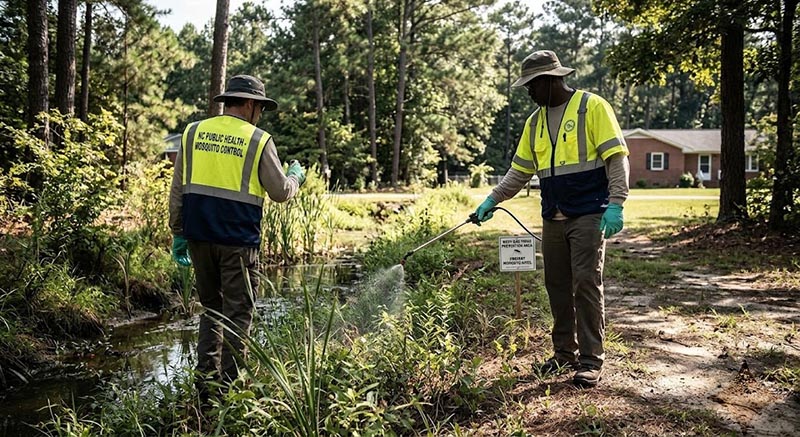


Payam Javan: Public health authorities have reported a significant rise in West Nile virus infections across the United States, with recent data highlighting fatal outcomes in North Carolina. Federal figures indicate that 1,328 infections have been documented across 45 states during the current season. Among these reported incidents, a substantial portion—specifically 1,004 cases—involved severe neurological complications affecting the brain and the nervous system.
The fatalities in central North Carolina underscore the potential severity of the mosquito-borne illness. State and federal health agencies emphasize that current totals remain preliminary and subject to ongoing revision. Due to inherent reporting delays across various jurisdictions, local health departments often maintain more up-to-date tracking through the ArboNET surveillance system managed by the Centers for Disease Control and Prevention.
The geographical spread of the virus continues to impact urban areas as well, with New York City confirming its first case following outdoor exposure by a resident. Symptoms of the virus typically manifest between two and 14 days following the bite of an infected mosquito, though the incubation period can extend further in individuals with compromised immune systems.
While many infections remain asymptomatic or cause mild, flu-like symptoms, rare cases can lead to serious medical conditions. These include life-threatening inflammation of the brain and spinal cord, such as encephalitis, meningitis, or acute flaccid myelitis, which can result in significant muscle weakness and paralysis.
Warning signs associated with severe illness demand immediate medical attention and include high fever, neck stiffness, disorientation, tremors, and paralysis. Recovery from neuroinvasive forms of the disease can be protracted, spanning weeks or months, and patients frequently report lingering, long-term health consequences.
Demographic analysis reveals that older adults face the highest vulnerability to severe outcomes, particularly individuals aged 60 and above. Additional risk factors encompass chronic medical conditions such as diabetes, hypertension, chronic kidney disease, cancer, and any treatments that suppress normal immune function.
Given the absence of a specific human vaccine or targeted pharmaceutical treatment, health officials emphasize that prevention remains the most effective defense. Authorities recommend utilizing insect repellents containing DEET, wearing protective clothing, avoiding peak mosquito activity times from dusk to dawn, and eliminating standing water around residences to curb breeding.


