




By: Prof. Dr. Seyed Saeid Zamanieh Shahri, MD and Prof. Dr. Sonia Sayyedalhosseini, MD
Myocarditis continues
Multilayered Diagnostic Criteria and Emerging Clinical Decision Pathways
Recent investigations comparing ESC criteria, the updated Lake Louise Criteria, American Heart Association (AHA) recommendations, and newer definitions of acute and complicated myocarditis indicate that integrating clinical findings, cardiac MRI, and endomyocardial biopsy provides more accurate classification of disease subtypes and improves prediction of clinical outcomes.
New Epidemiological Evidence Related to COVID-19 and Vaccination
Following the COVID-19 pandemic, a substantial body of evidence has been published regarding the relationship between SARS-CoV-2 infection, mRNA vaccination, and myocarditis. These studies have provided more precise estimates of myocarditis incidence following both infection and vaccination. They have consistently shown that SARS-CoV-2 infection itself is associated with a several-fold increase in myocarditis risk across many populations, whereas myocarditis following vaccination remains an uncommon event.
Preclinical and Immunological Models
Recent research has increasingly focused on the coordinated roles of multiple immune cell populations—including T lymphocytes, B lymphocytes, and macrophages—in mediating myocardial injury and its progression toward cardiomyopathy. Using animal models together with advanced single-cell technologies, these studies seek to generate a more comprehensive map of the cellular populations and molecular pathways involved in the pathogenesis of myocarditis.
Summary
Overall, myocarditis comprises a heterogeneous group of inflammatory disorders affecting the myocardium that may arise from either infectious or non-infectious causes. Clinically, it encompasses a broad spectrum ranging from mild, self-limited illness to severe heart failure and sudden cardiac death. The underlying pathophysiology reflects the interplay between primary myocardial injury and the host immune response; when inflammation persists, progression to dilated cardiomyopathy may occur.
Diagnosis is based on the integration of clinical findings, electrocardiographic abnormalities, cardiac biomarkers, echocardiography, cardiac magnetic resonance imaging using the updated Lake Louise Criteria, and, in selected cases, endomyocardial biopsy.
Recent advances in cardiac MRI, radiomics, artificial intelligence, and genetic and immunological research have provided a substantially more refined framework for understanding and classifying myocarditis, enabling the identification of novel disease subgroups and the development of more sophisticated prognostic models.
Rheumatoid Arthritis
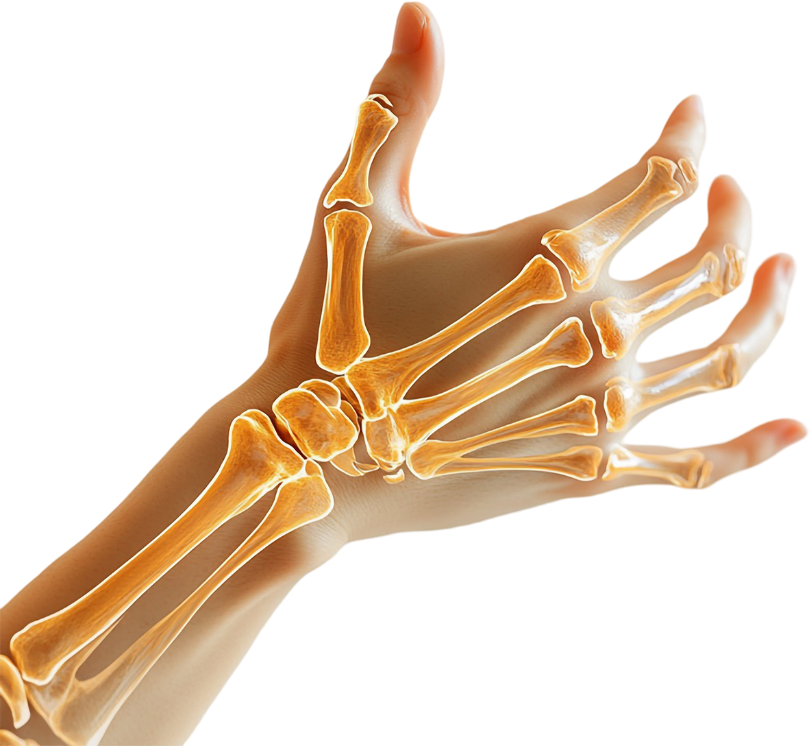
Rheumatoid arthritis (RA) is a chronic inflammatory autoimmune disease in which the immune system mistakenly targets normal components of the joints, particularly the synovial membrane. The resulting abnormal immune response produces persistent inflammation within the joints, which, if sustained, can cause structural changes in cartilage, bone, and other components of the joint. A characteristic feature of the disease is the simultaneous involvement of multiple joints in a symmetrical pattern; that is, corresponding joints on both sides of the body are frequently affected at the same time. Although the small joints of the hands and feet are most commonly involved, the disease may also affect larger joints and certain extra-articular organs. From an immunological perspective, rheumatoid arthritis results from a complex interaction among genetic predisposition, environmental factors, and dysregulation of the immune response. The disease varies considerably among individuals in terms of severity, rate of progression, and pattern of organ involvement and is therefore considered a heterogeneous disorder.
Pathophysiology of Rheumatoid Arthritis
The pathophysiology of rheumatoid arthritis encompasses a series of immune, cellular, molecular, and inflammatory processes that ultimately lead to progressive destruction of joint structures.
Loss of Immune Tolerance
Under normal circumstances, the immune system distinguishes between self-structures and foreign agents. In rheumatoid arthritis, this balance is disrupted, causing immune cells to react against certain endogenous proteins. Activation of lymphocytes initiates a chronic immune response and creates a milieu conducive to the production of autoantibodies.
Formation of Autoantibodies
Two major groups of autoantibodies associated with the disease are anti-citrullinated protein antibodies (ACPAs) and rheumatoid factor (RF).
These molecules can form immune complexes that amplify inflammatory responses and may be detectable in many patients years before the appearance of clinically apparent symptoms.
To be continued …


