
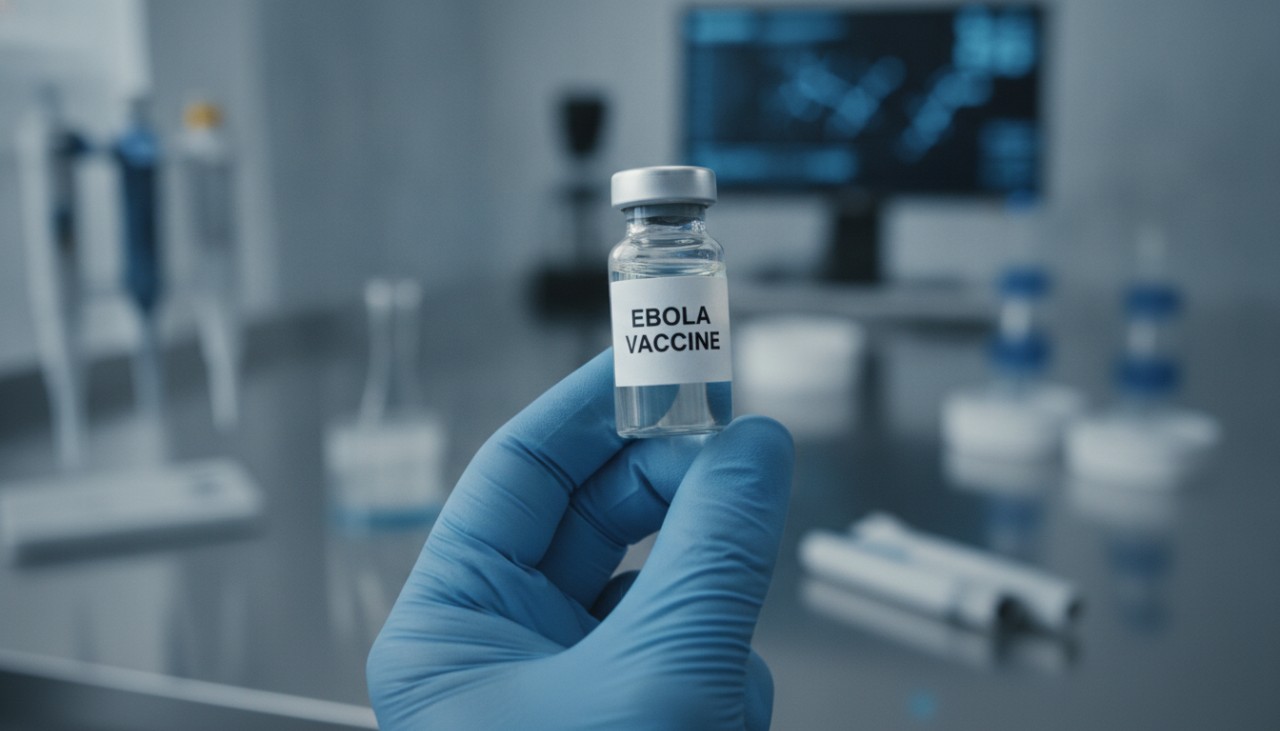


The United States Department of Health and Human Services has announced a series of measures to address the Ebola outbreak in Africa, focusing on the development of medical countermeasures against the Bundibugyo strain. Led by the Administration for Strategic Preparedness and Response and its Biomedical Advanced Research and Development Authority division, the initiative aims to support containment efforts in the Democratic Republic of the Congo and Uganda. The response includes searching for vaccine candidates, deploying experimental therapeutics, and preparing diagnostic tools.
Currently, there are no approved vaccines or treatments specifically targeting the Bundibugyo strain of the Ebola virus. To address this gap, the U.S. government is seeking proposals for vaccine candidates utilizing the technology platform behind Merck’s Ervebo, an approved vaccine for the Zaire strain. This initiative is being coordinated alongside international partners, including the Coalition for Epidemic Preparedness Innovations, UNICEF, and the global vaccine alliance Gavi, all of whom are actively gathering information from developers to accelerate vaccine readiness.
In addition to vaccine development, the United States is facilitating the transfer of MBP134, an experimental monoclonal antibody therapy developed in collaboration with Mapp Biopharmaceutical. The therapy is being provided for compassionate use in affected regions and will also undergo evaluation in a randomized clinical trial conducted by the University of Oxford. Preclinical data indicates that MBP134 is active against multiple Ebola species, and its deployment during this outbreak is expected to yield crucial data for future regulatory assessments.
To further bolster local public health responses, the agency has pre-positioned 2,500 rapid diagnostic tests for potential deployment to the affected African nations. These tests are intended to rapidly identify infections, thereby guiding quarantine and treatment protocols. Collectively, these efforts represent a coordinated international strategy to manage the immediate health crisis while building long-term global health security against emerging viral threats.


