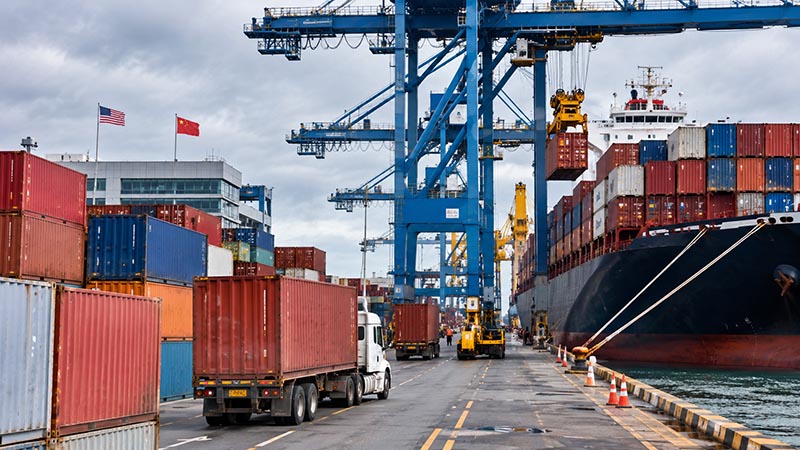


Payam Javan: The Trump administration has proposed a new round of import tariffs targeting China and 13 other major U.S. trading partners, citing concerns that excessive industrial production and government subsidies are undermining American manufacturers. Announced on November 25, the proposed measures follow an eight-month investigation conducted under Section 301 of the Trade Act of 1974. The administration argues that foreign governments are supporting manufacturing capacity beyond market demand, allowing companies to flood international markets with lower-priced goods.
The targeted economies include China, Bangladesh, Cambodia, India, Indonesia, Japan, South Korea, Malaysia, Singapore, Switzerland, Taiwan, Thailand, Vietnam and the European Union. Mexico and Norway, which were also included in the investigation, have not yet been targeted. China faces the highest proposed rate, with an additional 20 percent tariff that could bring certain combined duties to approximately 45 percent. The administration has indicated that the rate could increase if the existing trade agreement with Beijing expires or negotiations break down.
Other proposed rates vary depending on the country and existing trade agreements. The European Union, Japan, South Korea, Taiwan and Switzerland are expected to face rates capped at 15 percent under existing arrangements. Vietnam could face a 20 percent rate if a trade agreement is finalized, while India could face a 17 percent rate under similar conditions. The proposed measures are designed to respect negotiated tariff limits and would not simply be added to certain existing duties targeting imports associated with forced labor.
U.S. officials say the investigation identified government subsidies, industrial policies and other practices that encourage production beyond domestic and global demand. China has rejected the allegations, describing its exports as internationally competitive. The announcement comes amid continuing trade tensions between Washington and Beijing, despite recent diplomatic engagement between President Donald Trump and Chinese leader Xi Jinping. The administration also announced separate proposed measures targeting Brazilian sugar imports exceeding existing quotas and a 10 percent tariff on certain Brazilian aircraft.
The proposed tariffs are not yet final. They will undergo a public comment period and additional hearings before implementation, with the process potentially extending into January 2027. The announcement comes shortly after Republicans suffered major losses in the November midterm elections, when economic affordability and the cost of tariffs were prominent voter concerns. Critics warn that higher import duties could increase prices for American consumers, while the administration maintains that the measures are necessary to protect domestic industries and encourage manufacturing investment in the United States.