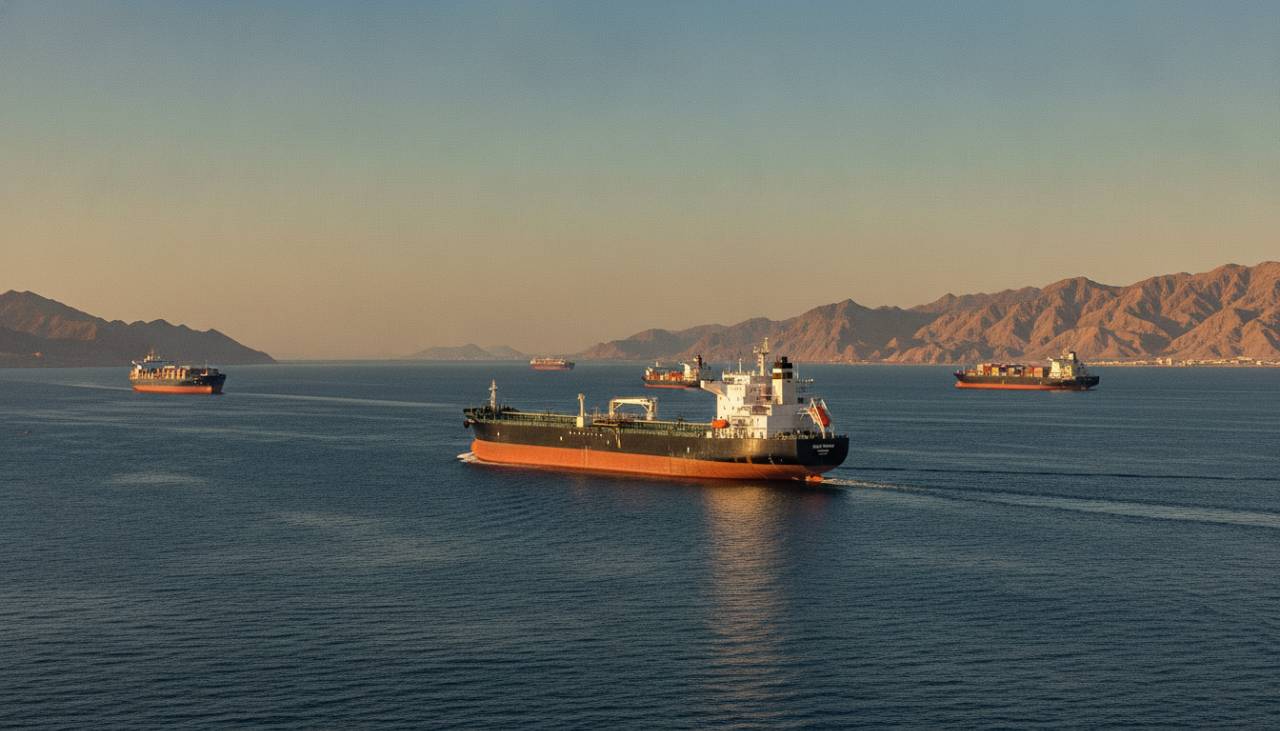


Iran and the United States have agreed to temporarily halt military hostilities in the Persian Gulf and resume diplomatic negotiations in Qatar, according to officials from both sides. This sudden pivot toward diplomacy aims to salvage a fragile 14-point interim peace agreement, signed on June 17, which had been pushed to the brink of collapse by consecutive days of tit-for-tat military strikes. Under the renewed understanding, both nations have agreed to stand down immediately, allowing commercial vessels to resume free passage through the strategically vital Strait of Hormuz.
The decision to return to the negotiating table follows a severe escalation of violence over the weekend. Early Sunday, the Islamic Revolutionary Guard Corps (IRGC) launched a series of missile and drone strikes targeting U.S. military installations in Kuwait and Bahrain, asserting that prior U.S. operations had violated the ceasefire. While U.S. officials reported no major casualties or significant damage from these strikes, the attacks succeeded days of mutual hostilities, including U.S. airstrikes against Iranian targets following an attack on a cargo vessel in the Strait of Hormuz.
The military flare-up was accompanied by highly charged rhetoric and broader regional complications. Prior to the announcement of the pause, U.S. President Donald Trump warned of severe consequences if Iran failed to honor the interim agreement, while Israeli forces continued strikes against Iran-backed Hezbollah infrastructure in Lebanon. Tehran has maintained that a cessation of hostilities in Lebanon is a critical prerequisite for the long-term stability of any wider regional security agreement with Western powers.
Scheduled to resume on Tuesday in Doha, the upcoming technical talks will focus on implementing the comprehensive terms of the June 17 memorandum of understanding. This diplomatic framework, which previously saw a round of Swiss-mediated talks between U.S. Vice President JD Vance and Iranian Parliamentary Speaker Mohammad Baqer Qalibaf, seeks to address long-standing disputes, including the status of the Strait of Hormuz and Iran’s nuclear program. Both sides now face the challenge of translating this temporary de-escalation into a sustainable security arrangement.