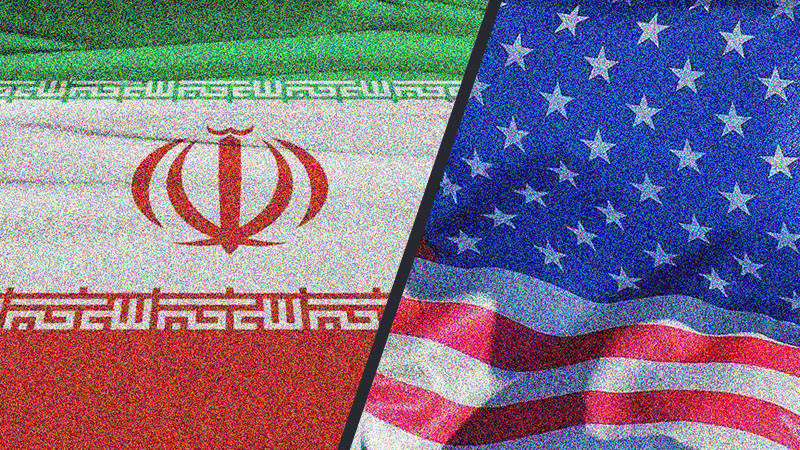


Payam Javan: President Donald Trump confirmed that the United States military executed limited, precise strikes against Iranian anti-aircraft equipment. The operation, described by Trump as minor, reportedly neutralized the targeted systems within a short timeframe, underscoring a calculated approach to regional military engagements. These actions follow reports from Iranian state media regarding missile activity in the vicinity of Qeshm Island.
Iranian news agency IRNA initially reported that two projectiles impacted the Suza region of Qeshm Island, located in the strategic Strait of Hormuz. While official details regarding the extent of the damage remained limited, Tehran also alleged that an MQ-9 drone was intercepted and downed over the same area. The discrepancy between the accounts provided by Washington and Tehran highlights the ongoing tensions regarding surveillance and military presence in the region.
Despite the escalation in localized military activity, the administration signaled an openness to diplomatic channels. Trump suggested that ongoing communications were occurring behind the scenes, asserting that Iranian leadership was interested in reaching a potential agreement. While he did not elaborate on the specific nature of these discussions, he expressed optimism regarding the progress made in bilateral relations.
International mediators, led by Qatar, continue to play a pivotal role in de-escalating the situation between the two nations. Prime Minister Sheikh Mohammed bin Abdulrahman Al-Thani emphasized that while a perfect resolution may be elusive, the pursuit of a viable agreement remains a priority. Qatar maintains that a diplomatic settlement is achievable provided that both parties remain committed to the ongoing negotiation process.
This recent incident is not an isolated event, as the U.S. military has periodically engaged in strikes against military targets in the Strait of Hormuz over the past year. Previous operations, including those reported in September, were characterized by the U.S. as necessary responses to regional security threats. Such actions have become a recurring feature of the geopolitical landscape in the Persian Gulf, reflecting a cycle of tactical strikes and counter-claims.
Observers note that these developments occur within a complex political context, as the administration balances defensive military posture with the stated goal of diplomatic engagement. Trump has consistently defended his strategic decisions, maintaining that his actions were necessary to protect national interests. As international stakeholders monitor the situation, the interplay between military deterrence and diplomatic dialogue continues to define the trajectory of U.S.-Iran relations.