
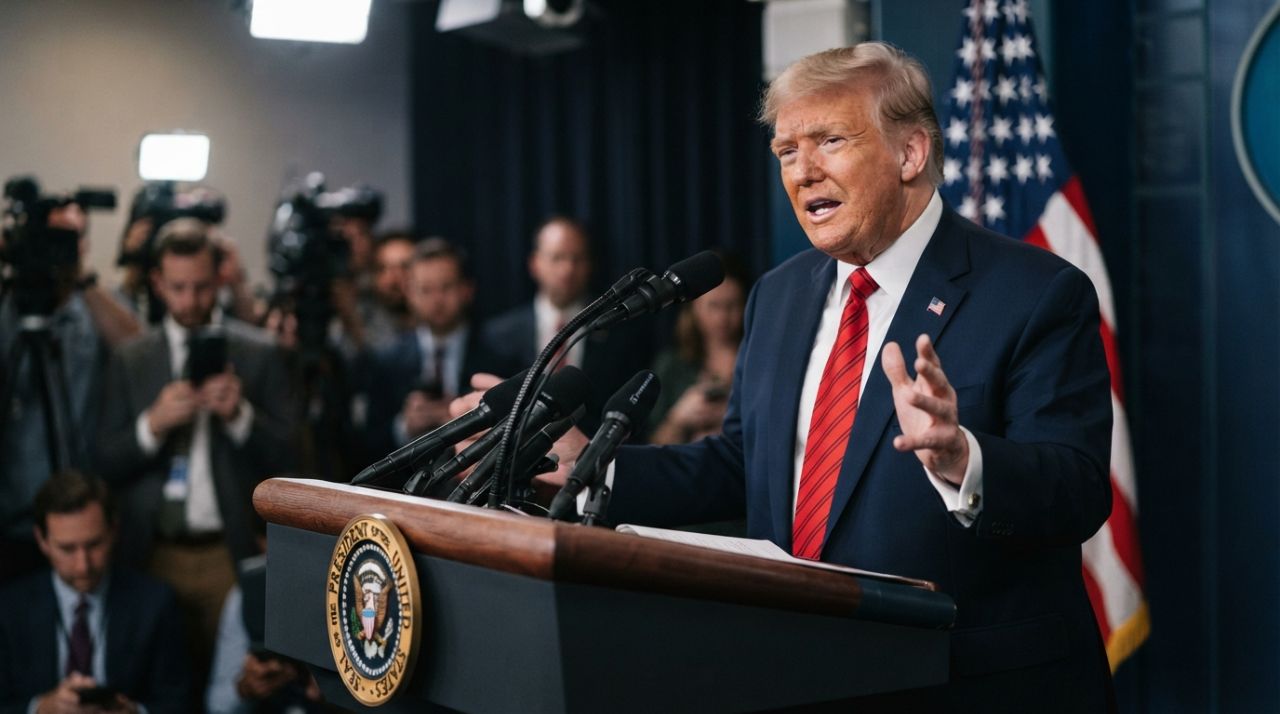


Payam Javan: President Donald Trump announced on Monday that the United States and Iran are engaged in “good talks” following a temporary pause in military hostilities, though he cautioned that U.S. airstrikes could resume if negotiations fail. The diplomatic opening comes after a three-day pause in U.S. military operations, which succeeded a 13-day aerial bombing campaign targeting key Iranian infrastructure and sites. Trump expressed optimism about the potential for a diplomatic resolution, stating there is a “good chance” a deal could be reached, while claiming that Tehran requested the pause to initiate discussions.
In contrast to Washington’s characterization of the situation, Iranian officials offered a different narrative regarding the origin of the talks. Iranian Foreign Ministry spokesman Esmail Baghaei confirmed that messages are being exchanged between the two nations through third-party mediators and noted that Tehran remains open to pursuing a diplomatic resolution. However, Baghaei strongly rejected U.S. assertions that Iran had begged for negotiations, describing such claims as fabricated and contrary to Iran’s diplomatic stance.
Despite the bilateral pause in direct strikes, regional tensions remain elevated as several of Iran’s regional allies and proxy groups launched retaliatory operations. Drone attacks targeted sites in Saudi Arabia, Jordan, and Iraq, with Saudi authorities reporting the interception of unmanned aerial vehicles aimed at petroleum infrastructure. Additionally, Yemen’s Houthi rebels claimed responsibility for targeting the East-West Pipeline in Saudi Arabia, a move that contributed to a slowdown in crude oil shipping across the Red Sea.
Within the United States, official rhetoric remains firm, with Trump emphasizing during a campaign rally in Michigan that while “friendly negotiations” are underway, the U.S. maintains a strong military posture. A U.S. official echoed this stance, claiming that Iran sought the ceasefire due to the devastating impact of recent strikes. Prior to the pause, Trump had warned that the U.S. military remains “locked and loaded” to resume operations if the diplomatic track fails to yield satisfactory results.
The diplomatic developments coincide with an upcoming high-profile meeting at the White House between President Trump and Israeli Prime Minister Benjamin Netanyahu. This meeting, scheduled for July 28, marks their first face-to-face encounter since the outbreak of conflict with Iran nearly five months ago, which began with a coordinated U.S.-Israeli strike on February 28 that killed several senior Iranian leaders. The discussions are expected to focus heavily on the Iranian conflict, regional security frameworks in Lebanon, and the potential expansion of the Abraham Accords.


