


Payam Javan: Oil prices declined by more than $1 per barrel on Monday as investors engaged in profit-taking ahead of an anticipated announcement from Washington regarding stricter sanctions on Iran. Brent crude futures fell 1.3 percent to $93.16, while U.S. West Texas Intermediate crude dropped 1.6 percent to $85.7 a barrel, reversing some of the gains from the previous week.
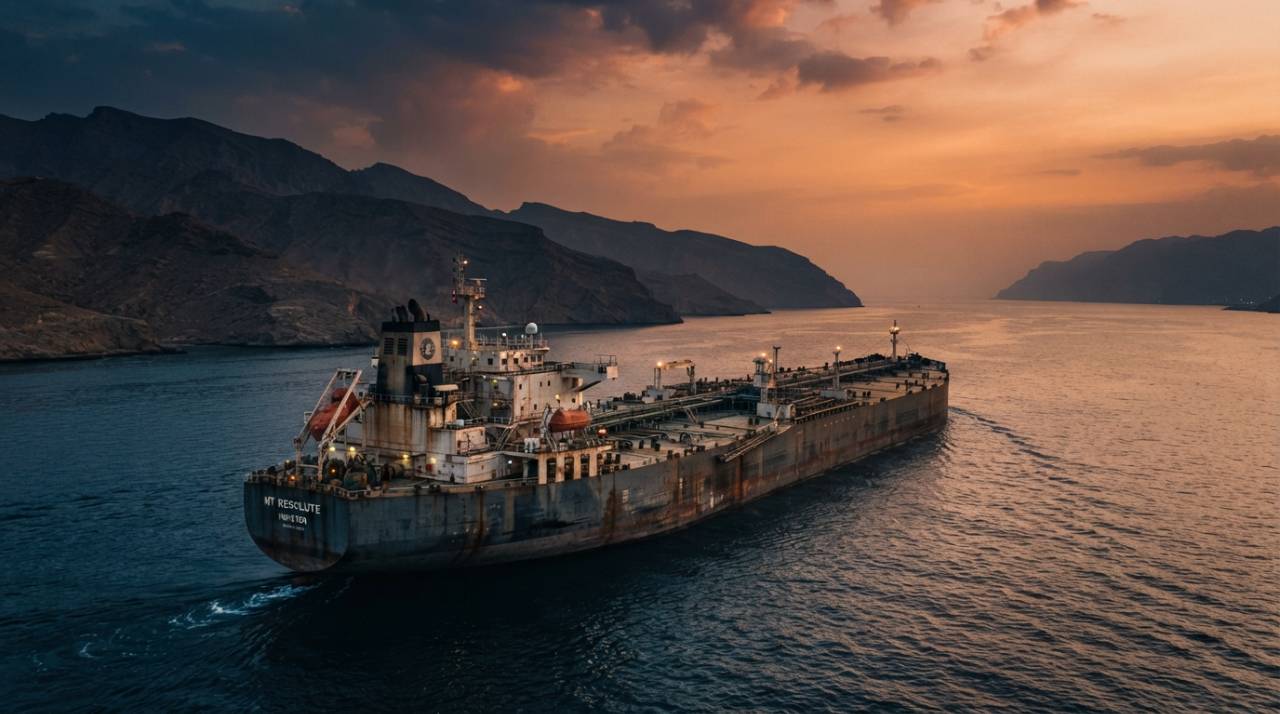
The price drop follows a period of strong performance, with both benchmarks posting gains of over 5 percent last week. This upward momentum was driven by a stalemate in diplomatic talks between the United States and Iran, which raised concerns over potential disruptions to oil shipments through the critical Strait of Hormuz, a maritime transit route for approximately one-fifth of the world’s oil supply.
Market attention is currently focused on U.S. Treasury Secretary Scott Bessent, who is expected to announce what he termed “the toughest sanctions in history” against Iran. Additionally, President Donald Trump has warned of potential sanctions against nations that continue to trade with Tehran, raising the stakes for international buyers of Iranian crude.
Analysts remain divided on the potential consequences of the renewed U.S. pressure campaign. While some experts question the overall effectiveness of Washington’s strategy to economically isolate Iran, others warn that successful enforcement could prompt a retaliatory response from Tehran, introducing heightened geopolitical risks to global energy markets.
Within Iran, political dynamics appear split between pragmatic officials advocating for a diplomatic resolution and hardliners favoring a more confrontational approach. Amid these tensions, Tehran has reportedly allowed several Iraqi oil tankers to navigate the Strait of Hormuz following requests from Baghdad, even as shipments of Iranian crude to Chinese buyers have slowed down and become more expensive.
Industry data indicates that global oil supplies are tightening, characterized by a sharp decline in oil-on-water inventories and onshore stockpiles, including in China. Financial institutions like Morgan Stanley have noted a significant reduction in Middle Eastern exports, suggesting that any anticipated recovery in regional oil supplies may take longer than previously projected.


