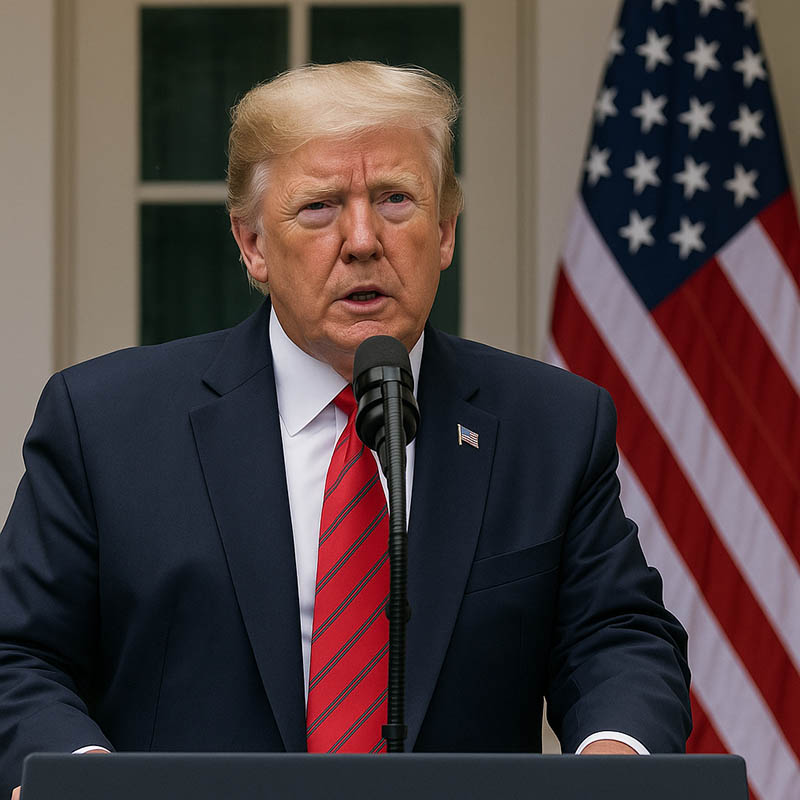


Payam Javan: U.S. President Donald Trump has signed a proclamation temporarily increasing the import quota for lean beef trimmings under lower tariff rates by 300,000 metric tons for the remainder of 2026. The emergency measure is designed to curb escalating ground beef prices at retail stores across the country. According to administration officials, the additional import volume will be distributed in three consecutive 30-day tranches starting September 1, administered on a first-come, first-served basis.
The policy builds upon preliminary announcements made by the president, who emphasized the need to lower grocery bills for working American families. Under the terms of the agreement, the imported lean trimmings carry a strict commitment to be sold at 25 percent below current market rates. Proponents of the measure argue this discount will provide immediate relief to consumers while giving the domestic cattle sector sufficient time to recover from prolonged supply shortages.
The U.S. cattle industry has been struggling with severely diminished supply, with the national herd falling to 86.2 million head as of early 2026, which represents the lowest level recorded since 1951. Consequently, the U.S. Department of Agriculture projects a 4 percent decline in domestic beef production compared to last year. This contraction has been driven by multiple compounding factors, including severe droughts and wildfires affecting grazing lands, high feed expenses, and strict biosecurity restrictions on live cattle imports from Mexico to prevent the spread of the New World screwworm.
According to a White House fact sheet, the temporary quota adjustment is projected to elevate the overall domestic beef supply by approximately 10 percent above previous estimates. Because the measure specifically targets lean trimmings used for blending into ground beef, officials do not anticipate a negative impact on the domestic fed-cattle market. Federal authorities will closely monitor whether the imported products adhere to the mandated price discounts, reserving the right to reduce remaining quotas if compliance is not met.
The decision has met with mixed reactions across the agricultural sector. While major meat processors, who have faced closures and reduced operations due to dwindling cattle supplies, may benefit from the influx of raw materials, ranching advocates remain skeptical. Organizations such as the National Cattlemen’s Beef Association have historically expressed concern that increasing imports undercuts domestic family ranchers without guaranteeing sustained retail relief for consumers.
Legally, the administration is executing the quota expansion under the Uruguay Round Agreements Act, which permits temporary tariff adjustments during times of domestic supply shocks caused by natural disasters, disease, or severe market disruptions. U.S. Customs and Border Protection will oversee the entry of the new volumes, while the Department of Agriculture and the U.S. Trade Representative are tasked with continuously monitoring market conditions to determine if further interventions are necessary.