
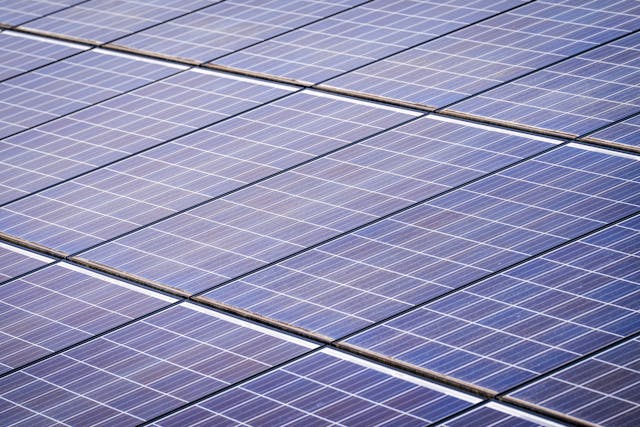


Payam Javan: The Ivanpah Solar Electric Generating System, situated in California’s Mojave Desert, continues to serve as a focal point for discussions regarding the complexities of large-scale renewable energy infrastructure. Launched with significant federal backing, the facility utilizes an expansive array of mirrors to concentrate sunlight onto central towers, a design once heralded as a breakthrough in clean energy production.
However, more than a decade after its inception, the plant’s operational history has highlighted significant challenges that complicate its original mission of providing sustainable power. Environmental monitoring has revealed persistent issues concerning local wildlife, particularly avian species affected by the concentrated solar beams. This phenomenon, often referred to as solar flux, results in the injury or death of numerous birds annually, as the intense heat generated by the facility can damage feathers mid-flight. Furthermore, the project’s footprint spans thousands of acres of sensitive desert habitat, leading to the displacement of protected species such as the desert tortoise and sparking ongoing debate over the ecological costs of utility-scale solar installations. Beyond its impact on local ecosystems, Ivanpah’s operational reliance on fossil fuels has drawn scrutiny from environmental regulators. The facility utilizes natural gas to initiate its daily operations, resulting in annual carbon dioxide emissions that place it within California’s cap-and-trade program.
While these emissions remain lower than those of conventional gas plants, they distinguish Ivanpah from newer photovoltaic technologies that do not require such inputs. Additionally, the high cost of the electricity produced, coupled with the substantial federal loans used for construction, has raised questions about the long-term economic viability of this specific technology. Despite these critiques, the facility remains an active contributor to California’s energy grid, reflecting the difficult balance between meeting immediate power demands and addressing long-term sustainability goals. As the renewable energy sector evolves toward more cost-effective and less intrusive technologies, Ivanpah stands as a significant case study in the trade-offs inherent in pioneering large-scale infrastructure. Its legacy underscores the necessity for comprehensive environmental and economic evaluations as nations transition toward a decarbonized energy future.


