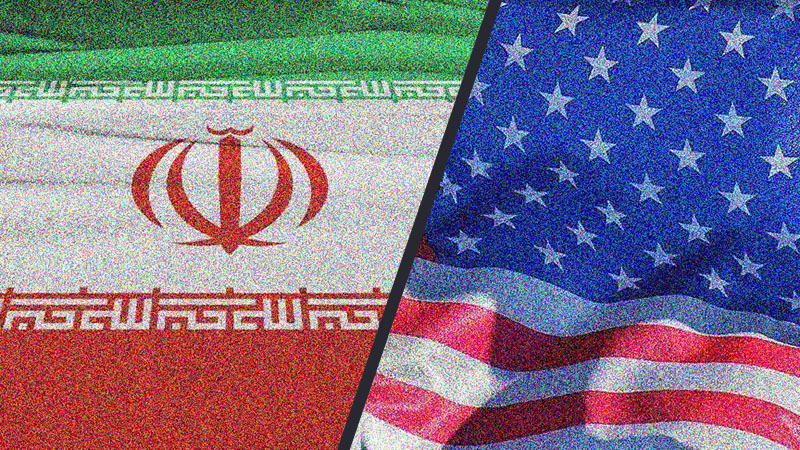


Payam Javan: President Donald Trump signed an executive order on Feb. 6 imposing tariffs of up to 25 percent on imports from any country that conducts business with Iran, citing national security concerns. The tariffs, which take effect at midnight Saturday, are intended to increase economic pressure on Tehran and curb its access to international markets.
The order applies to any nation that directly or indirectly purchases goods or services from Iran. Senior administration officials, including the secretaries of state, treasury, and commerce, have been tasked with identifying countries engaged in trade with Iran and determining the appropriate tariff levels. The State Department simultaneously announced new sanctions targeting Iran’s oil sector and dozens of related entities.
Trump said the measures respond to what he described as an “unusual and extraordinary threat” posed by Iran to U.S. national security, foreign policy, and economic interests. The move builds on previous sanctions regimes imposed by past administrations and expands efforts Trump pursued during his first term to isolate Iran economically.
The decision comes amid escalating unrest inside Iran, where anti-government protests intensified in January. Trump has publicly expressed support for demonstrators while warning Iranian leaders against violent crackdowns or attacks on U.S. interests, reinforcing a hardline strategy that follows U.S. military strikes on Iranian nuclear facilities conducted in mid-2025.