
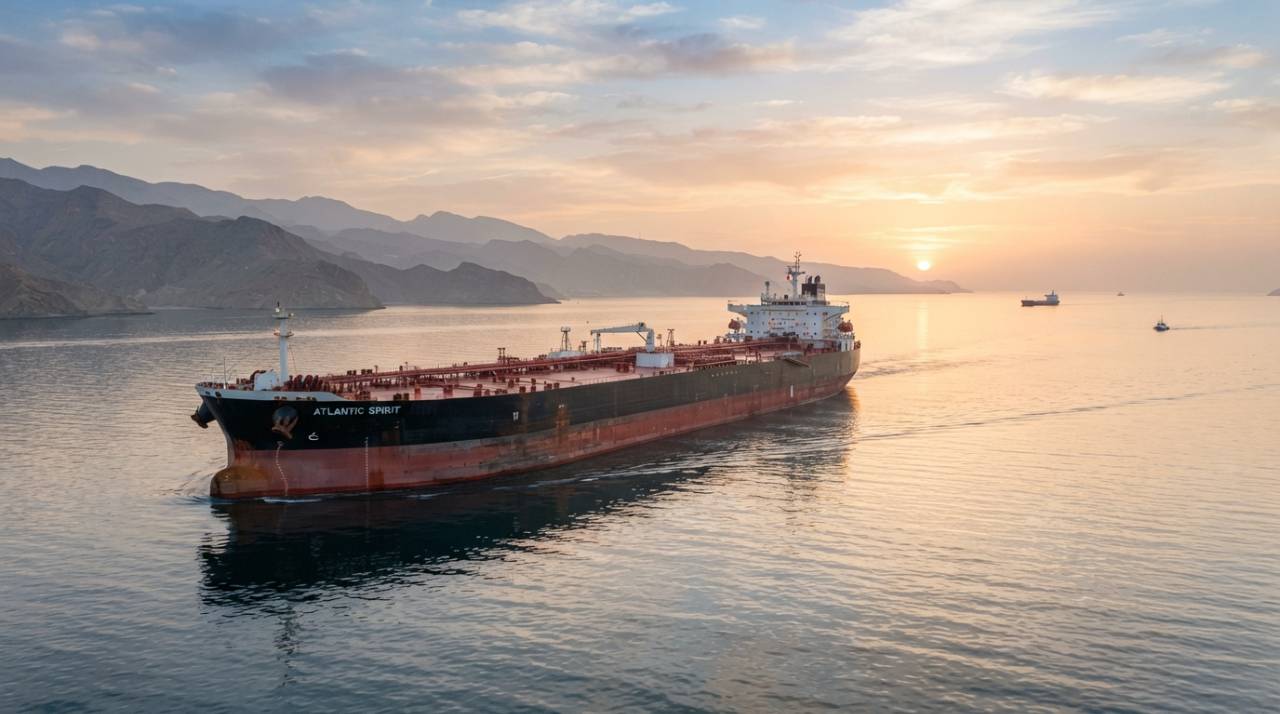


Payam Javan: Global oil prices experienced a sharp decline of approximately five percent on Monday following a temporary cessation of military strikes between the United States and Iran over the weekend. This pause, which comes after two weeks of escalating hostilities, has fostered optimism among international observers and market participants regarding a potential diplomatic resolution. Such a de-escalation is seen as a critical step toward restoring normal maritime shipping operations through the strategically vital Strait of Hormuz.
In financial markets, Brent crude futures dropped by $4.89, or 5.05 percent, settling at $91.89 per barrel, after momentarily dipping below the critical psychological support threshold of $90 earlier in the trading session. Similarly, U.S. West Texas Intermediate (WTI) crude fell by $4.67, or 5.23 percent, to trade at $84.64 per barrel. Both benchmarks recorded their lowest levels in nearly a week, reversing a three-week upward trend that had previously pushed Brent prices toward the $100 mark.
The prior surge in oil prices was largely driven by disruptions in key maritime corridors, particularly the Strait of Hormuz and the Bab el-Mandeb strait. The geopolitical friction had impeded crude exports from major producers, including Saudi Arabia, to vital Asian markets. The current market correction reflects immediate relief after U.S. Ambassador to the United Nations Mike Waltz confirmed that President Donald Trump decided to halt military strikes to provide a window for diplomatic negotiations.
Market analysts have noted that while the pause in hostilities is a positive indicator, any recovery in maritime traffic is expected to be gradual. Industry experts suggest that a return to the previously established 14-point memorandum of understanding, coupled with clearer protocols regarding the control of the Strait of Hormuz, could serve as a viable foundation for long-term stability. However, shipping data indicates that vessel transit through the strait remained low over the weekend, with fewer than ten commodity vessels passing daily.
Complicating the recovery efforts, shipping activity through the Bab el-Mandeb strait also experienced disruptions following recent attacks by Yemeni Houthi forces on Saudi maritime infrastructure along the Red Sea coast. Analysts emphasize that shipowners and operators remain highly cautious and are likely to demand stronger security guarantees before resuming regular transits through these high-risk waterways, suggesting that the normalization of global energy supply routes will require sustained diplomatic progress.


