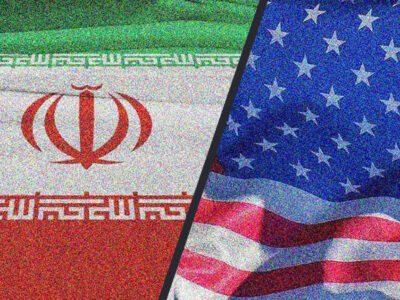
President Donald Trump has officially notified Congress that he directed the United States military to resume airstrikes against Iran, triggering a new 60-day window for military action without prior congressional approval. In a formal letter dated July 10, Trump explained that the strikes were authorized on July 7 in direct response to Iranian attacks on commercial vessels in the Strait of Hormuz. The military action marks a definitive end to the brief bilateral ceasefire agreed upon in mid-June.
According to the executive notice, the renewed operations are strictly targeted at neutralizing Iranian missile launch sites, air defense systems, naval assets, and command-and-control infrastructure. Trump assured lawmakers that the operations do not involve U.S. ground forces and are carefully planned to minimize civilian casualties. He emphasized that the primary objectives of these strikes are to defend American personnel, safeguard international trade routes, and protect regional allies from ongoing aggression.
The escalation follows a series of highly volatile maritime incidents, including a recent cruise missile attack on two Emirati-owned oil tankers in the southern shipping lane of the Strait of Hormuz, which left one sailor dead and eight others injured. In response to these hostilities, U.S. Central Command executed multiple consecutive nights of airstrikes to degrade Tehran’s offensive capabilities. Concurrently, the U.S. Department of the Treasury ramped up economic pressure by revoking previous reauthorizations that allowed Iran to sell oil.
This deployment utilizes the executive powers outlined in the War Powers Act of 1973, which requires the president to report military hostilities to Congress within 48 hours. The notification comes on the heels of a failed Senate resolution last month that attempted to block unauthorized military action against Iran. Although Trump declared the active ceasefire officially over due to Iran’s maritime provocations, he noted that the administration remains open to continuing diplomatic negotiations under the right conditions.