
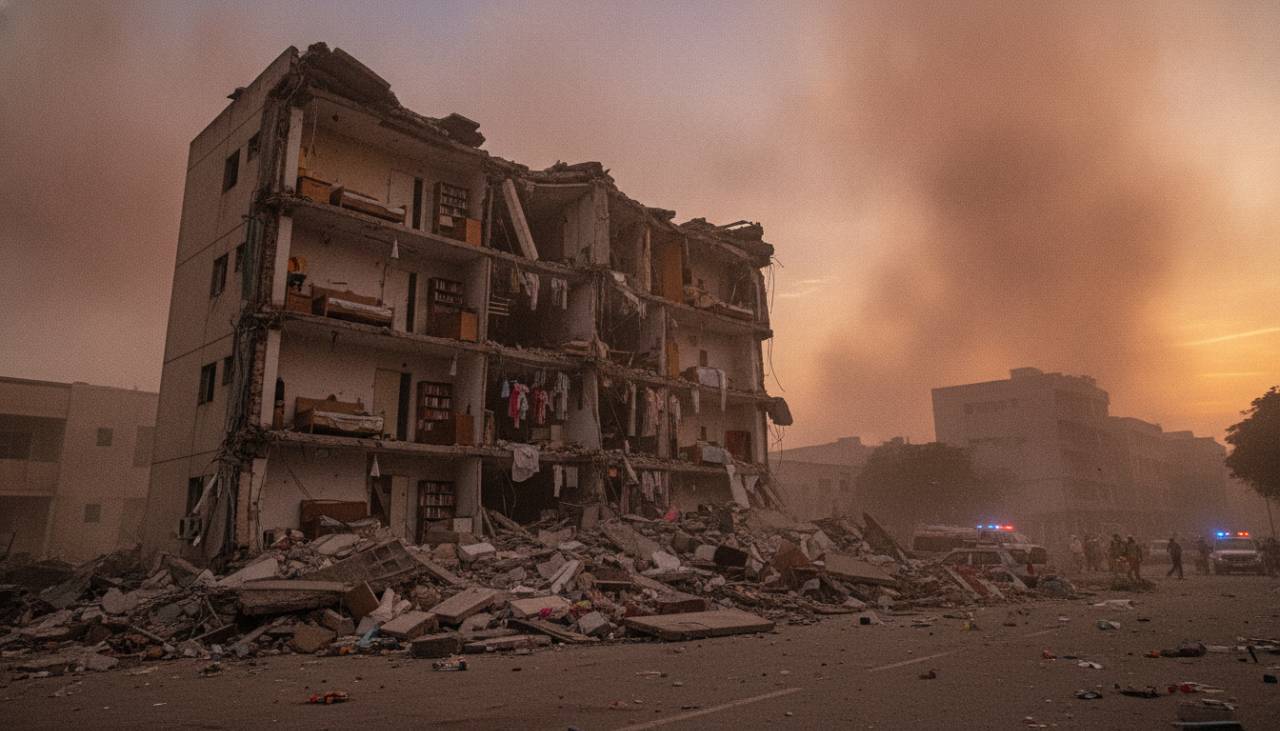


A pair of powerful, consecutive earthquakes measuring 7.2 and 7.5 in magnitude struck the northern coast of Venezuela on Wednesday evening, resulting in at least 164 deaths and injuring more than 700 people. According to the U.S. Geological Survey, the tremors occurred just one minute apart shortly after 6:00 p.m. local time, with epicenters located near the coastal community of Morón, approximately 104 miles west of the capital, Caracas. Acting President Delcy Rodríguez warned that the casualty count is expected to rise as search-and-rescue teams continue to navigate collapsed structures and reach severely affected areas.
The seismic activity caused immediate and widespread destruction across Caracas and neighboring states, sending panicked residents into the streets as building walls collapsed and debris filled public spaces. Interior Minister Diosdado Cabello reported critical situations in several neighborhoods, notably Altamira, where multiple residential and commercial structures crumbled. Emergency protocols have been activated, and authorities have urged citizens to remain outdoors to avoid the hazards posed by ongoing aftershocks to already compromised infrastructure.
In the immediate aftermath of the quakes, the National Weather Service’s Pacific Tsunami Warning Center issued tsunami advisories for Puerto Rico, the U.S. Virgin Islands, and the British Virgin Islands, warning of potentially dangerous coastal currents. Residents and boaters in the region were advised to move away from coastlines and seek deeper waters. Although the alerts caused temporary concern across the Caribbean, they were eventually lifted after no significant tsunami waves were observed.
Following the disaster, numerous nations mobilized to offer humanitarian assistance and disaster response support to Venezuela. The United States announced the deployment of a disaster assistance team to coordinate search-and-rescue operations and medical supplies, while regional neighbors including Brazil, Ecuador, Bolivia, and El Salvador expressed solidarity and pledged immediate aid. Despite existing geopolitical differences, regional leaders emphasized the necessity of humanitarian cooperation in addressing the scale of the emergency.


