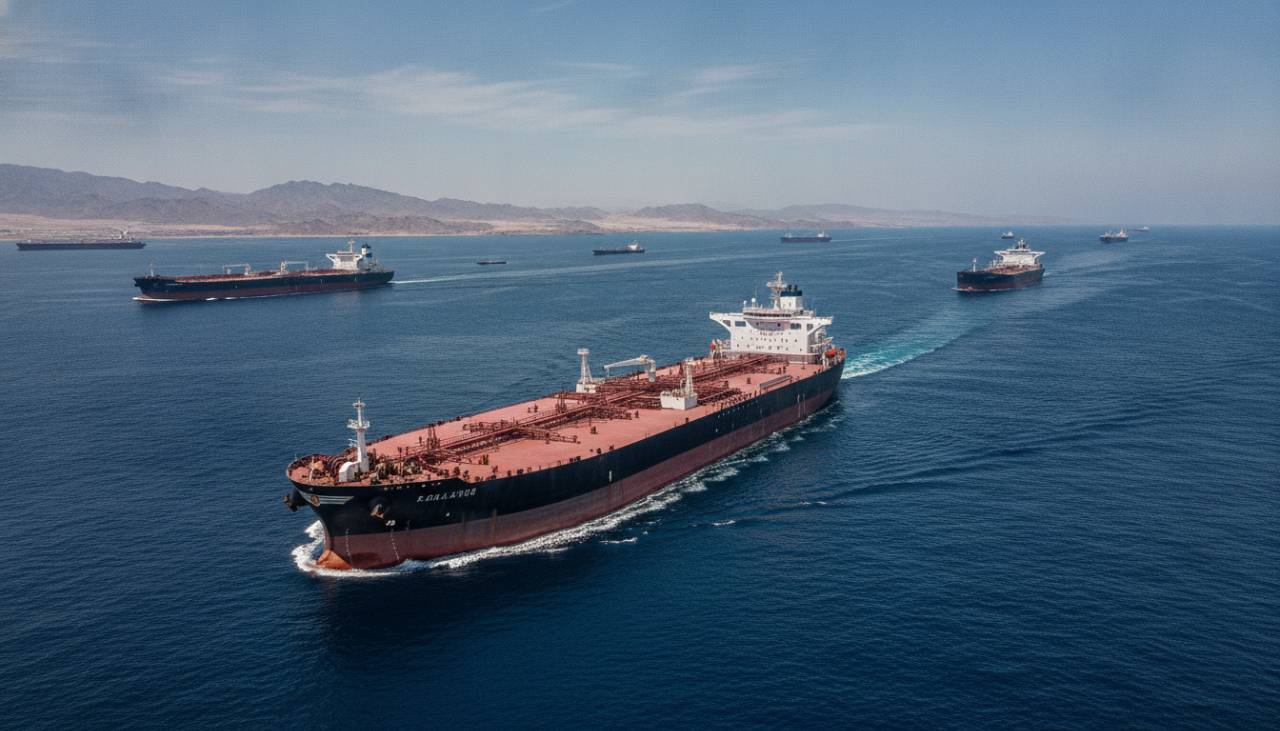


Crude oil shipments through the strategic Strait of Hormuz have successfully returned to pre-conflict levels following the implementation of a U.S.–Iran ceasefire agreement. According to U.S. Energy Secretary Chris Wright, approximately 20 million barrels of oil and 72 vessels transited the waterway within a recent 24-hour window, signaling a rapid recovery for one of the world’s most critical maritime energy corridors. This normalization comes in the wake of a bilateral memorandum of understanding signed last week, which established a 60-day negotiating framework aimed at securing a broader diplomatic settlement.
Despite the resumption of maritime traffic, complete stabilization remains subject to ongoing security operations and geopolitical friction. While temporary traffic-management measures introduced by Oman and the International Maritime Organization (IMO) have helped ease congestion, Iran’s Islamic Revolutionary Guard Corps (IRGC) Navy has warned commercial vessels to adhere strictly to Tehran-approved navigation routes. U.S. officials, including Secretary of State Marco Rubio, have emphasized that international law guarantees freedom of navigation, rejecting any potential efforts to impose transit fees or unauthorized restrictions on the international waterway.
Industry data reflects a significant acceleration in commercial maritime activity, with shipping intelligence firm Windward reporting a 48 percent single-day surge in vessel transits. Many commercial operators are now navigating the strait independently without naval escorts, utilizing newly established temporary southern shipping lanes to clear previous backlogs. Although current daily transits remain below the historical average of 130 ships per day recorded prior to the outbreak of hostilities, the upward trajectory indicates a substantial restoration of commercial confidence.
The reopening of the strait has exerted immediate downward pressure on global energy markets, with Brent crude and West Texas Intermediate futures falling to their lowest levels since late February. This price correction has been further accelerated by a dramatic reduction in marine insurance costs, with hull war-risk premiums for transit through the Gulf dropping by more than half. Analysts note that while the market continues to adjust, the transition from conflict-driven supply fears to normalized shipping routes has successfully mitigated immediate global energy security concerns.